
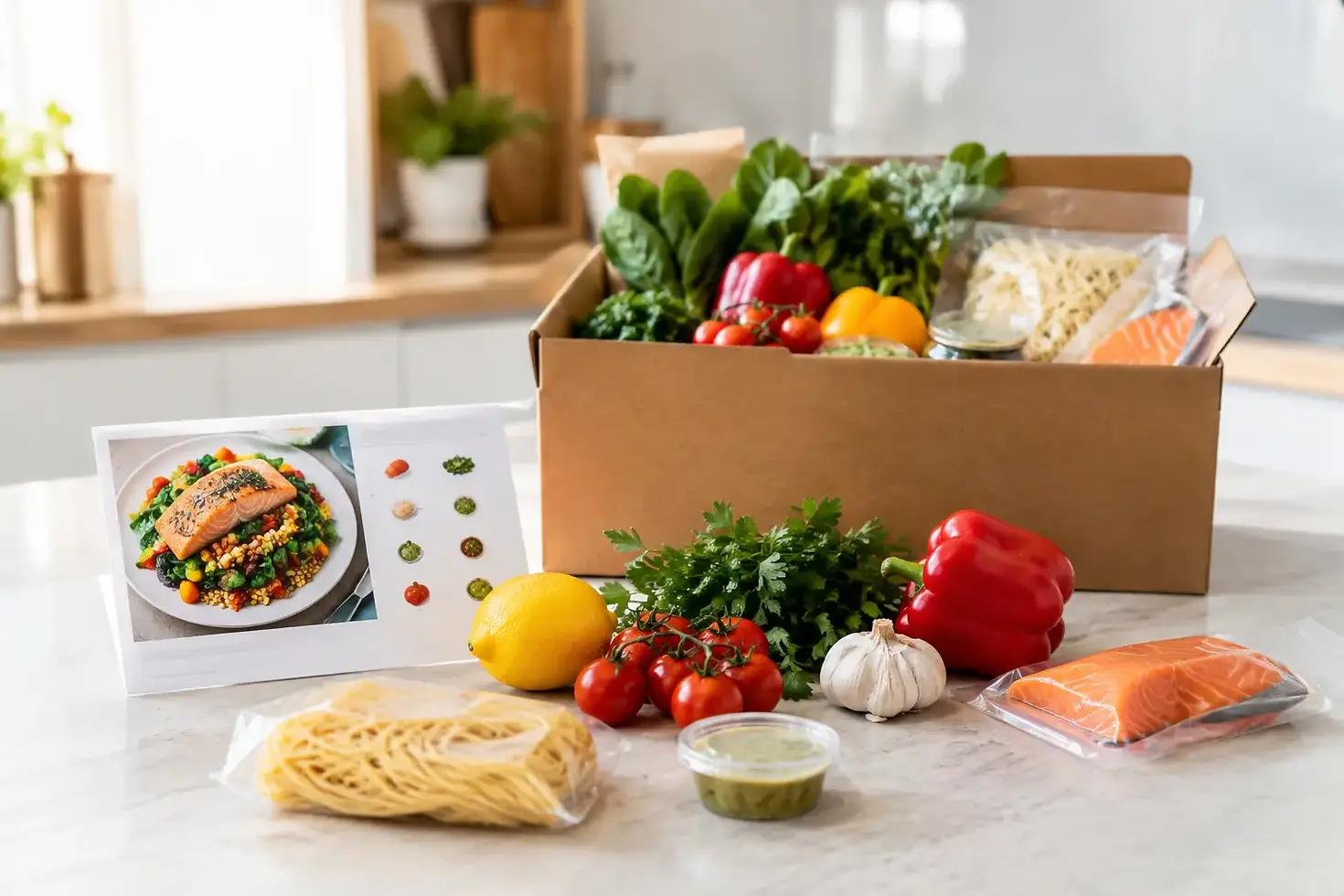
Restaurant Meal Kit Trends Worth Bringing Home
A good meal kit should never feel like a compromise. It should feel like dinner handled - with the aroma, flavor, and little moment of anticipation that make a restaurant meal memorable. That is why restaurant meal kit trends are moving beyond plain convenience. People want food that saves time while still carrying a story, a sense of place, and the quality they would happily serve to family or friends.
For busy households, a restaurant-made kit can turn a packed weeknight into something warmer. For curious eaters, it can bring new flavors to the table without requiring a pantry full of unfamiliar ingredients. And for anyone sending food to someone they love, it offers a thoughtful kind of comfort: a meal made with care, ready when it matters.
Restaurant Meal Kit Trends Are Getting More Personal
The early appeal of meal kits was simple: ingredients measured, dinner planned, less time in the grocery store. Restaurant meal kits have taken that idea in a more flavorful direction. Instead of asking customers to follow a long recipe from scratch, more kitchens are creating meal experiences centered on dishes they already do well.
That shift matters. A restaurant has a point of view. Its sauces, seasoning blends, dough, baked goods, and family recipes are part of what customers come back for. A kit gives people a way to bring those recognizable flavors home, whether they live nearby or are ordering a taste of a favorite place from farther away.
The strongest kits do not pretend every dinner needs to be a cooking project. Some are fully prepared and simply need heating. Others invite a little finishing touch, such as baking a pizza, assembling a sandwich, or adding a fresh garnish. The right format depends on the moment. A family getting home late may want heat-and-eat ease. A couple cooking together on a Friday night may enjoy a kit with a few hands-on steps.
Comfort Food Is Meeting Global Flavor
One of the most appetizing restaurant meal kit trends is the move toward food that feels familiar and fresh at the same time. Customers still love pizza, pasta, soups, sandwiches, and bakery treats. But they also want to taste the seasonings, ingredients, and traditions that make a meal feel different from the usual rotation.
This is where independent restaurants have an advantage. A menu can travel without becoming confusing. A comforting meal can include a globally inspired sauce, a regional spice blend, or a recipe passed down through a family kitchen. The best kits make that discovery approachable. They do not require culinary homework. They simply invite people to enjoy something delicious.
There is a balance to strike. A meal kit full of unfamiliar components can feel risky, especially when feeding children or a mixed group. On the other hand, a kit that plays it too safe can lose the excitement that makes restaurant food special. The sweet spot is recognizable food with one memorable twist: a bold sauce, a new side, a distinctive topping, or a dessert that turns an ordinary dinner into an occasion.
The return of the shared table
More kits are designed for more than one person because people are hungry for easier ways to gather. Pizza boxes, family-style pasta meals, boil boxes, brunch packs, and dessert bundles give hosts a head start. They reduce prep without making the evening feel impersonal.
That is especially useful for game days, new-parent meals, study groups, office lunches, and weekends when relatives are in town. The food does not need to be fussy to feel generous. A table filled with hot pizza, a comforting main dish, fresh bread, and something sweet can do the job beautifully.
Convenience Now Includes Better Packaging
Great food can lose its charm quickly if it arrives soggy, spills in transit, or comes with unclear instructions. Packaging has become part of the restaurant meal kit experience, not an afterthought.
Customers increasingly expect reheating directions that are easy to find and easy to follow. They want containers that protect crispy textures, keep sauces where they belong, and fit realistically into a home refrigerator or freezer. They also appreciate clear labels, portion guidance, and dates that make planning easier.
For shipped meal kits, that standard rises even higher. Food has to travel well without losing the qualities that make it worth ordering. Some dishes are perfect candidates for shipping, while others are better enjoyed locally or as pickup items. Restaurants earn trust when they choose the format honestly instead of trying to force every menu item into a box.
Sustainability is also part of the conversation, though it comes with real trade-offs. Customers often prefer less waste, but meal safety and food quality still matter. Reusable, recyclable, or reduced packaging can be a meaningful improvement when it protects the meal properly. The goal is not packaging for packaging's sake. It is a better dinner with less unnecessary clutter left behind.
Meal Kits Are Becoming a Smart Gift
A restaurant meal kit is no longer just a solution for the person ordering it. It can be a gift with an immediate purpose. Send one to a college student missing a good home-style meal. Bring one to a friend recovering from surgery. Order a bakery box for a birthday, or stock a freezer with meals before a hectic season begins.
Food gifts work because they feel useful and personal at once. A generic gift card says, "Choose something." A carefully selected meal says, "I thought about what might make your week easier." When the food reflects real recipes, cultural inspiration, and a generous portion of comfort, that message comes through even more clearly.
For restaurants, this trend creates an opportunity to build kits around occasions without making them overly complicated. A holiday meal box, an at-home pizza night, a breakfast bundle, or a dessert-forward package can all meet a specific need. The strongest ideas are clear enough that customers immediately know who they would order them for.
How to Choose a Meal Kit You Will Actually Use
Before ordering, think less about what sounds impressive and more about what fits your real life. If your week is packed, choose meals that are mostly prepared and can go from refrigerator to table without much cleanup. If you are planning a relaxed evening, select something that lets you finish, bake, or assemble the meal together.
Portion size deserves attention, too. A kit labeled for four may be perfect for two adults who want leftovers, but it may fall short for a hungry family. Look at the included sides and protein, then consider whether adding bread, salad, or dessert will make the meal feel complete.
It also helps to choose restaurants with food you already trust. Familiar quality matters more than a trendy label. A great kit should reflect the same care as dining in: flavorful ingredients, dependable portions, clear preparation, and a meal you would want to order again.
Keep a few meals ready for the busy nights
The best use of a meal kit is often the least dramatic one. It is the dinner waiting after a long day. It is the backup plan when the grocery list never got made. It is the easy answer when visitors stay longer than expected.
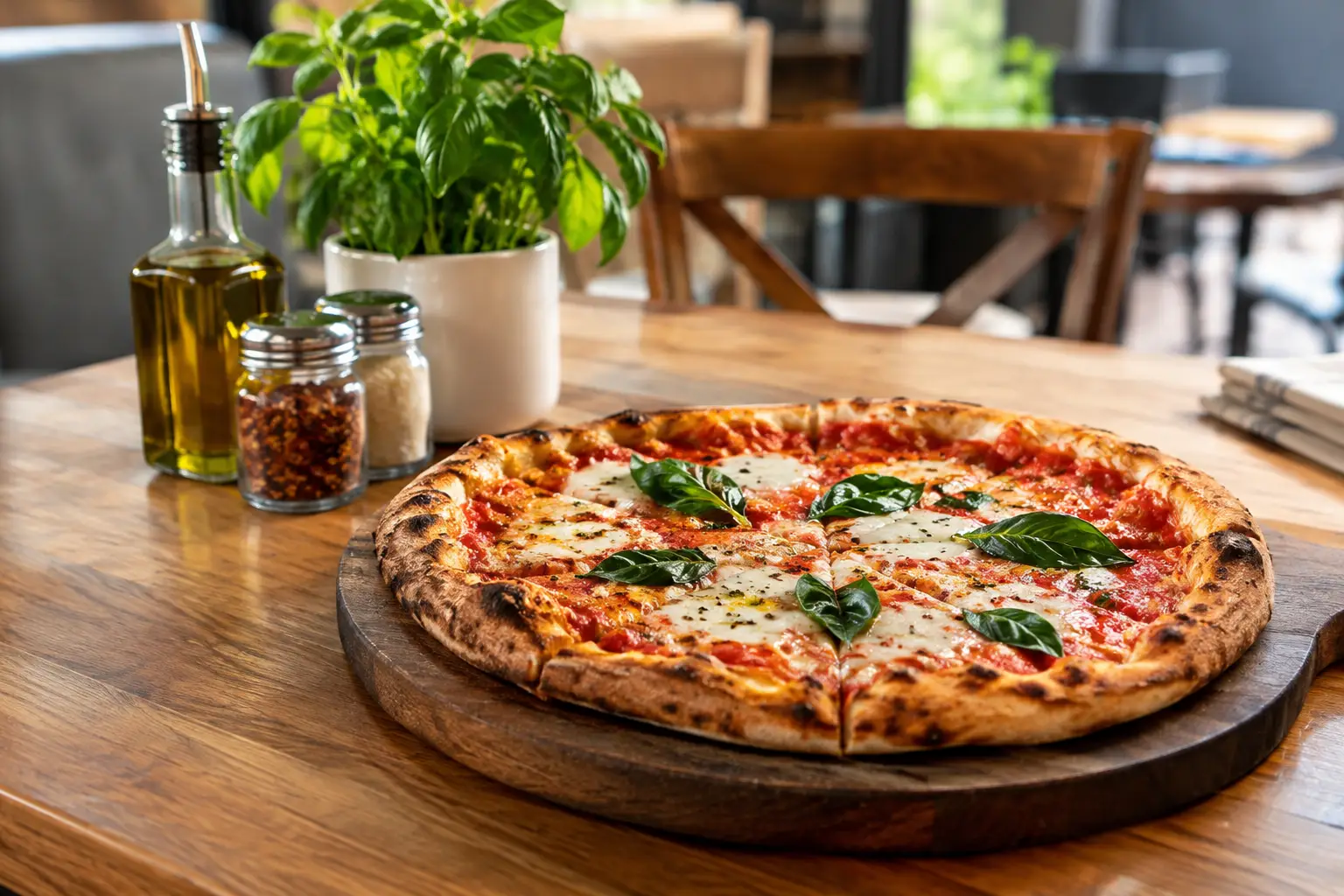
Keeping a few restaurant-made options on hand can make home life feel less rushed without making it less delicious. A comforting meal, a fresh-baked treat, or a pizza ready for the oven can turn an ordinary evening into a small celebration.
At Jumangi Bistro & Kitchen, that spirit is familiar: many cultures, one delicious destination, with food made to bring people closer. Choose the meals that fit your table, save the ones that make your week easier, and leave room for a little extra joy when dinner arrives.


Comments