

A Guide to Ordering Group Meals Everyone Enjoys
The group text starts with one simple question: “What should we get to eat?” Twenty messages later, one person wants pizza, another needs a vegetarian option, and someone has remembered a food allergy. A good guide to ordering group meals turns that familiar scramble into a generous table full of food people can actually enjoy.
Whether you are feeding an office, hosting family after a game, planning a student gathering, or putting together a low-stress birthday dinner, the goal is not to order one perfect dish. It is to build a spread with enough variety, enough food, and a little room for surprise. The best group meals feel abundant without becoming wasteful and personal without requiring everyone to make a separate decision.
Start With the Occasion, Not the Menu
Before counting slices or trays, ask what kind of meal you are planning. A working lunch needs food that is easy to serve and eat between conversations. A relaxed family night can handle a more leisurely, shareable spread. A celebration may call for something familiar, plus bakery treats or a special dish that gives the table a little personality.
Timing matters just as much. If guests will arrive hungry after work or practice, plan for a fuller meal. If dinner follows a reception, game, or meeting with snacks, you may need less than you think. Morning gatherings often work best with pastries, cinnamon rolls, coffee, and a few savory choices rather than a heavy lunch-style order.
Your setting also changes the order. A table with plates, serving utensils, and time to linger can welcome meal boxes, hearty entrées, and sides. A crowded break room or community event may be better suited to pizza boxes, sandwiches, and individually easy-to-grab items. Choose food that fits the way people will actually eat it.
Get a Real Headcount, Then Build in Breathing Room
“About 20 people” is a useful starting point, but it is not yet an order. Try to separate confirmed guests from maybes and note who is likely to arrive early, stay late, or bring an extra person. For a casual group meal, ordering for the confirmed number plus a modest cushion is usually wiser than ordering exactly to the person.
How much extra depends on the crowd. Teenagers after a sporting event and a team working through dinner will likely eat more than guests gathering for mid-afternoon coffee. A group with several children may need fewer full adult portions, though pizza and desserts tend to disappear quickly no matter who is at the table.
A practical rule is to avoid putting all your food budget into one main item. If the group is large, a mixed order gives you insurance. A few pizzas, a platter of hoagies or subs, a savory side, and something sweet offer different portion sizes and appetite levels. People who want a full meal can build one. People who only need a bite can still find something satisfying.
A Guide to Ordering Group Meals With Variety
Variety is not about making the order complicated. It is about preventing the moment when half the room sees only one thing they cannot eat or do not want. Start with familiar favorites, then add one or two choices with a different flavor profile or format.
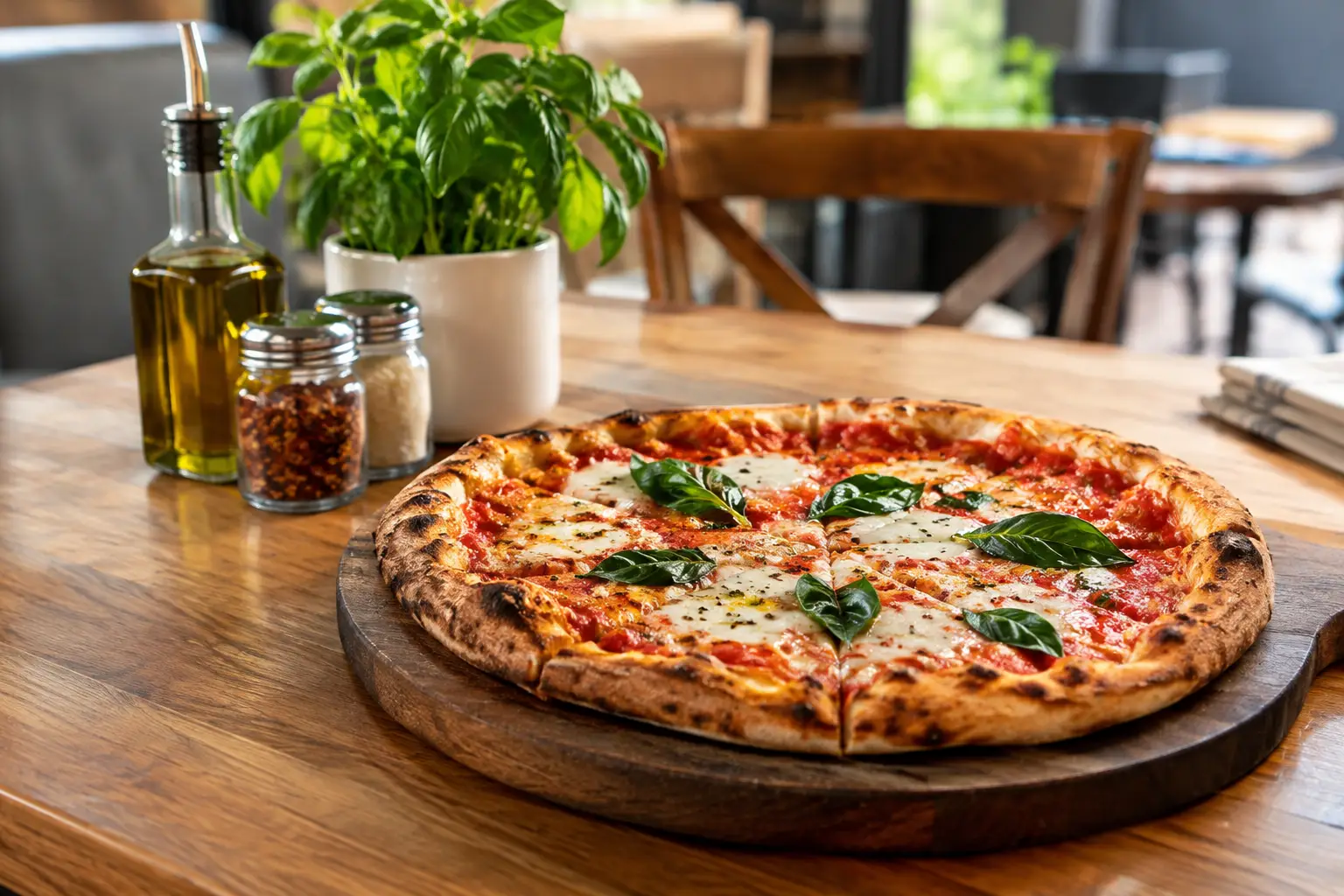
Pizza is a natural anchor because it is shareable, flexible, and easy to portion. Pair it with sandwiches or hoagies when you need a heartier option, especially for lunch. Meal boxes can make sense when the group needs a more complete dinner or when you want each guest to have a defined meal. For a gathering that leans celebratory, a bakery tray, cakes by the slice, or cinnamon rolls can turn a practical food order into an occasion.
Think in contrasts. If most of the meal is rich and cheesy, add a fresh or lighter choice. If you are serving bold global flavors, include a familiar option for cautious eaters. If your group loves classic comfort food, add one dish that feels a little unexpected. Many cultures can belong at one table when the choices are approachable and made with care.
For most mixed groups, aim to include these four roles in the order:
A familiar centerpiece, such as pizza or sandwiches
A substantial option for people with bigger appetites
A vegetarian-friendly choice that feels like a real meal
A sweet finish or bakery item that invites people to linger
You do not need ten different dishes. Four thoughtful lanes are often more useful than a sprawling order where every item is a gamble.
Don’t Treat Dietary Needs as an Afterthought
Ask about dietary restrictions early, ideally before you start choosing flavors. There is a meaningful difference between “I prefer not to eat meat” and “I have an allergy.” One can often be handled with variety; the other may require careful preparation, ingredient confirmation, and separation from other food.
Collect the details directly when possible. Ask guests to identify allergies, vegetarian or vegan needs, gluten concerns, and any restrictions connected to religious or medical requirements. Then communicate clearly when ordering. Do not assume a dish is safe because it appears simple, and do not promise an allergy-safe meal unless the kitchen has confirmed what it can provide.
For serving, label items or keep special meals separate. This small step helps guests feel considered and prevents the awkward guessing game around a crowded table. It is hospitality in its most useful form.
Match Portions to the Food, Not Just the Guest Count
Portion planning changes by category. Pizza works in slices, but people rarely take the same number. Sandwiches may be filling enough to stand alone, while a spread with several sides encourages smaller portions of each. Dessert needs its own count because people who skip a second slice of pizza may happily take a cinnamon roll later.
If food is the main event, plan generously. If it is part of a longer event with appetizers, cake, or drinks, scale back the main meal and put some of the budget toward variety. It depends on the crowd, but leftovers are often preferable to an underfed room, particularly when the food can be packed up and enjoyed the next day.
Be cautious with a menu made entirely of one rich item. A stack of pizzas may be perfect for a casual game night. For an all-day meeting, people can tire of the same flavor by midafternoon. Adding a different style of meal, a few fresh options, or a bakery break makes the order feel more intentional.
Order Early Enough to Protect the Good Part
The food should arrive when people are ready for it, not 45 minutes before they walk through the door. Work backward from the serving time. Consider when guests arrive, how long it takes to set up, whether you need plates and utensils, and how long hot food can reasonably sit before it loses its best texture.
For a larger order, ordering ahead gives the kitchen time to prepare each part with care. It also gives you time to confirm quantities, special requests, pickup details, delivery expectations, and payment. Last-minute orders can work for smaller groups, but a little planning opens up better choices and reduces the chance of settling.
Assign one person to receive the order and one person to set it out. They can be the same person for a small gathering, but larger events run more smoothly when someone is not also greeting guests, handling decorations, and searching for napkins. Keep serving tools, plates, cups, trash bags, and food labels nearby. Great food deserves an easy landing.
Give the Table a Little Personality
A group meal does not have to look formal to feel special. Put pizzas and sandwiches where everyone can reach them. Set desserts aside until later if you want the meal to last, or bring them out right away if the gathering is meant to feel playful and indulgent. A small sign identifying flavors can make an unfamiliar dish feel more welcoming.
This is where ordering from a place with range really helps. At Jumangi Bistro & Kitchen, a table can move from comfort-food favorites to globally inspired flavors, then finish with something sweet made to feel like home. That flexibility is useful when your guests are not all looking for the same meal.
The most memorable group orders are not necessarily the biggest. They are the ones where the host has anticipated the room: the hungry people, the picky eaters, the guest with a restriction, the person who always reaches for dessert, and the friend who discovers a new favorite. Order with that kind of generosity, and the meal will do more than feed the group. It will give them a reason to stay at the table a little longer.


Comments